Tag: #Sweden

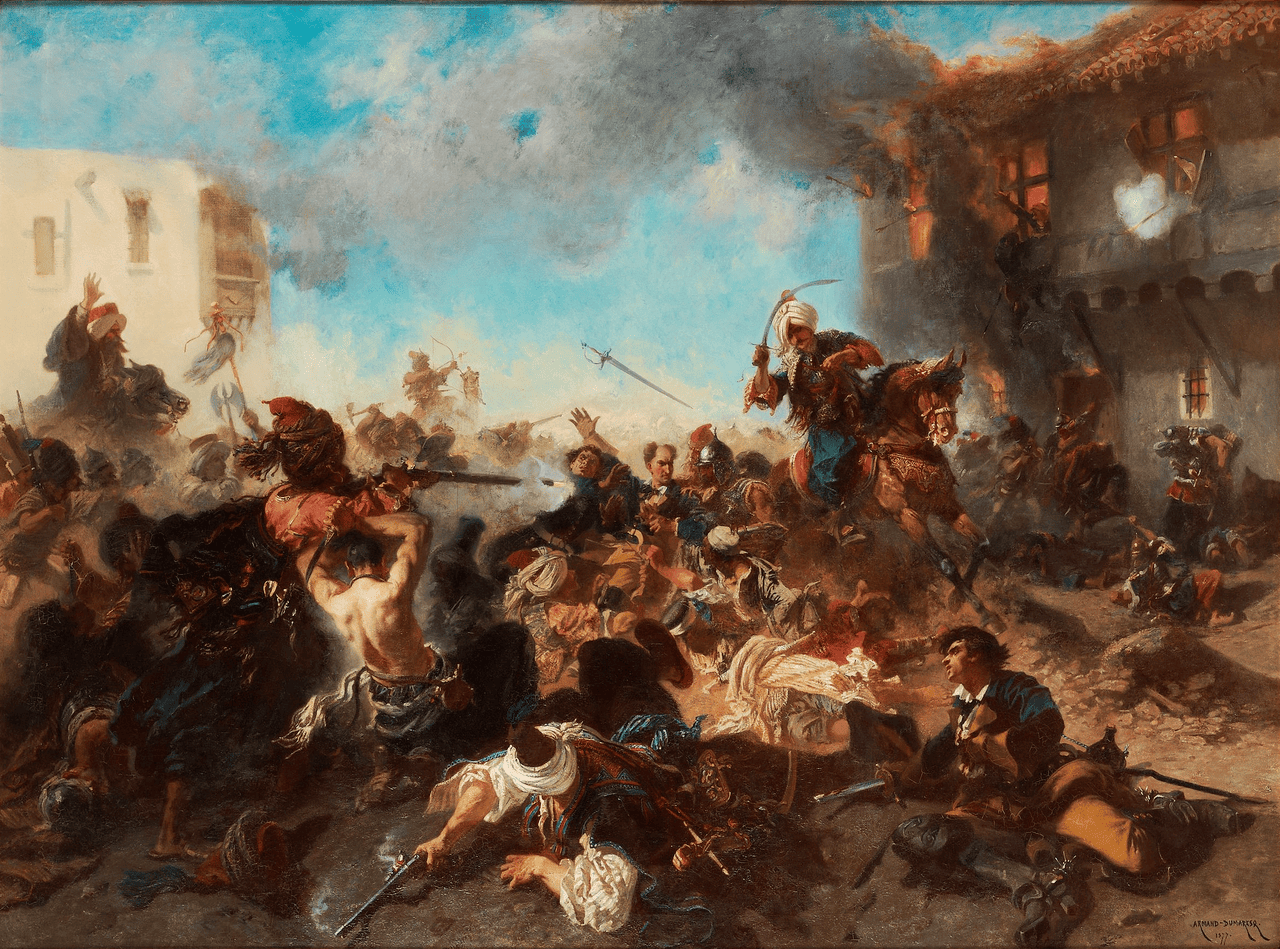
  • The skirmish at Bender, Charles XII, and the word we still use today

    @Wikimedia Commons

    After visiting Bender on my recent trip to Moldova and watching a video about the Great Northern War, I fell down a small historical rabbit hole. Charles XII of Sweden has one of the strangest stories of any European monarch and the moment that ended his Ottoman adventure happened right there, in a town I had just walked through.

    Quick context: The Great Northern War (1700-1721) pitted Sweden against a coalition led by Russia under Peter the Great. Sweden was a serious power at the time, holding much of the Baltic. Charles XII spent the early years of the war winning impressive victories before things went badly wrong at the Battle of Poltava in 1709 where the Russians crushed the Swedish army. Charles fled south with about 1,500 of his Carolean soldiers and roughly the same number of Cossacks, eventually settling in the Ottoman Empire as the personal guest of Sultan Ahmed III. He stayed there for five years.

    The Sultan was happy enough to host him at first because Sweden and the Ottomans shared a common enemy in Russia. But Charles, never one to take a hint, kept pushing the Sultan to launch a new war against Peter the Great. By 1713 the Ottomans had had enough. They wanted him out.

    On 1 February 1713 Ottoman forces, joined by Crimean Tatars, attacked Charles’s small camp in Varnitsa just outside Bender. Charles was outnumbered massively. Around 40 of his men stood with him against many hundreds of Turks. The fighting was chaotic. They eventually fell back to a small house, barricaded themselves inside and held out for hours until the Ottomans set the building on fire. Charles broke out through the smoke and flames, sabre and pistol in hand, but was eventually captured.

    The whole thing was so confusing and chaotic that the Swedes named it after the Turkish word their captors kept shouting at them: kalabalık, meaning “crowd” or “tumult.” The Swedish and Finnish languages absorbed it as a loanword meaning “great disorder” or, more colourfully, what one historian translated as “the clusterf*ck at Bender.”

    In Bulgarian we use it too. Калабалък. Same meaning, same root, traveling from Turkish through three centuries of usage to arrive in our vocabulary.

    Charles eventually made it back to Sweden after one of history’s wilder horseback rides across Europe. He died in battle in 1718. Absolute mad lad!