Some Bulgarian families have lived in the same village for over two centuries but technically resided in eight different states without ever moving. The first Bulgarians settled in southern Bessarabia at the end of the 18th and beginning of the 19th centuries, during a period of chaos in the Ottoman Empire and after the Russo-Turkish Wars of the period. Basically, Bulgarians living under Ottoman rule were fleeing persecution, and when Russian armies crossed the Danube during those wars, many Bulgarians followed them north looking for safety and land. Russian authorities allocated lands in southern Bessarabia to these settlers partly to counterbalance Tatar populations and secure the Danube estuary, so there was a practical geopolitical reason for Russia to welcome them too.
Today there are around 204,600 self-identified Bulgarians in Ukraine and roughly 88,400 in Moldova, mostly concentrated in the Budjak region of southern Bessarabia, which sits between the Danube and Dniester rivers along the Black Sea coast. It is a genuinely multi-ethnic area that has passed through the hands of the Ottoman Empire, Russia, Romania, the Soviet Union, and finally Moldova and Ukraine.
Some families have lived in the same village for two centuries, but technically resided in eight different states without ever moving. The borders kept changing around them. They studied in Romanian between the wars, then Russian under the Soviets, then Ukrainian or Moldovan after independence. Generation after generation adapting to whoever was in charge while somehow keeping Bulgarian alive at home.
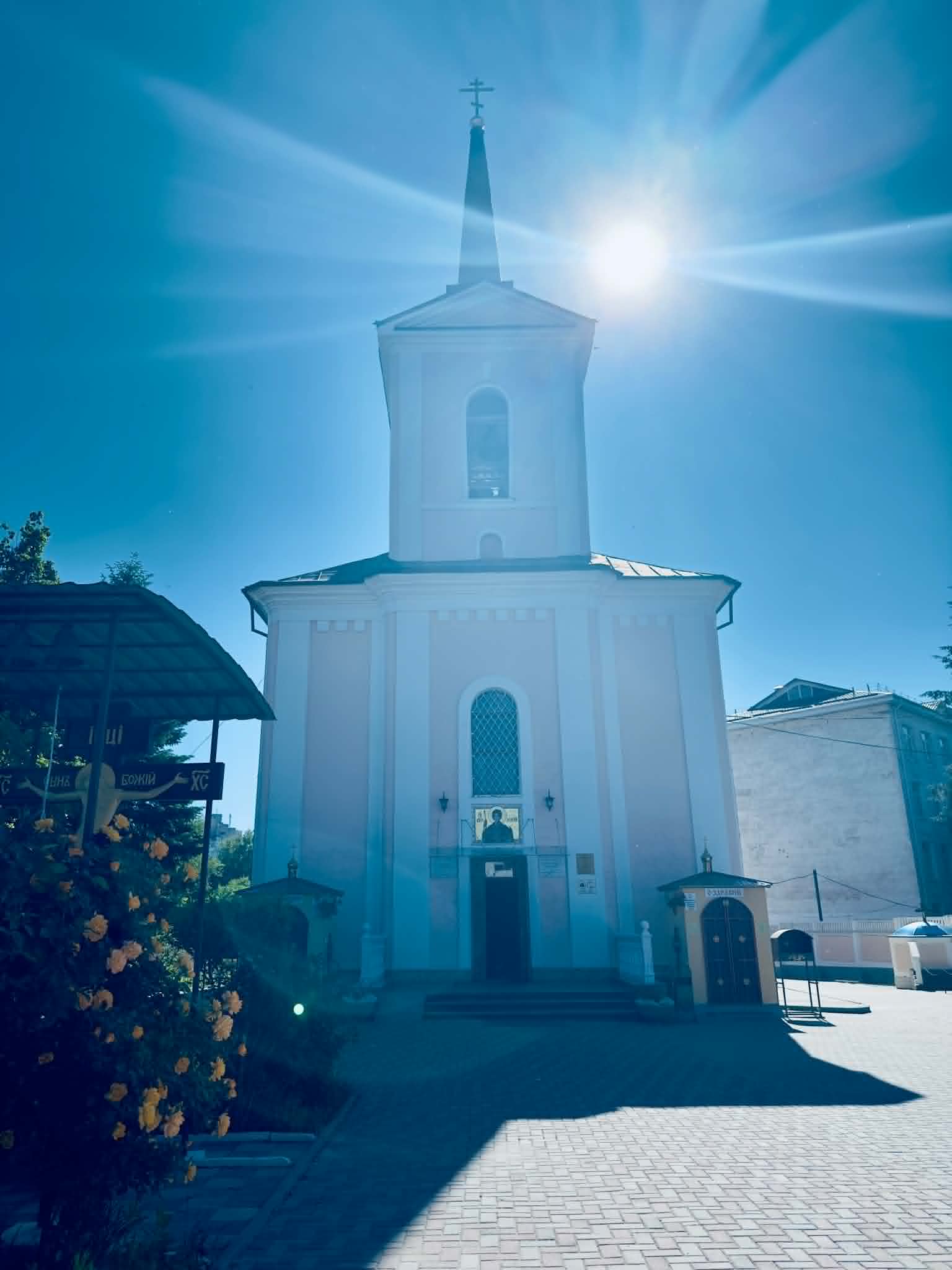
They even founded their own city. Bolhrad, established by Bulgarian settlers in 1821, is still considered the cultural capital of Bessarabian Bulgarians in Ukraine today and hosts an annual wine festival that brings together winemakers from across Ukraine, Moldova and Bulgaria itself.
Their identity seems to be the most stable thing in their lives. When everything else keeps changing, knowing who you are becomes the one thing you hold onto.
Leave a comment